Mold Inspection
Un-visible mold inspection? Musty odour, allergy
A professional mold inspection is a comprehensive property assessment used to identify the presence, location, and underlying moisture source of indoor mold growth. While a simple visual check can catch obvious patches, certified inspectors utilize specialized diagnostic tools to track down hidden infestations behind walls, ceilings, and flooring.
When to Order an Inspection
You should arrange for a mold inspection if your property or household experiences any of the following warning signs:
Physical Health Symptoms: Persistent allergies, frequent headaches, respiratory issues, chronic fatigue, or skin rashes that worsen indoors.
Unresolved Odours: A continuous, distinct earthy, damp, or musty smell without an obvious visible source.
Prior Water Incidents: A history of pipe leaks, roof failures, rising dampness, or basement flooding.
Real Estate Requirements: Buying or selling a home, especially if the property has a history of prolonged vacancy or high humidity.
Physical Structure Distortions: Peeling paint, bubbling wallpaper, warped floorboards, or dark discoloration on drywall.
How the Professional Process Works
A thorough certified residential assessment typically takes between two and five hours, depending on the building size. A trusted service provider will follow a strict multi-step diagnostic process:
Information Gathering: The technician interviews the occupant regarding previous plumbing issues, structural repairs, or specific health complaints.
Visual Evaluation: A meticulous walkthrough of moisture-prone areas including crawlspaces, attics, basements, and around ventilation systems.
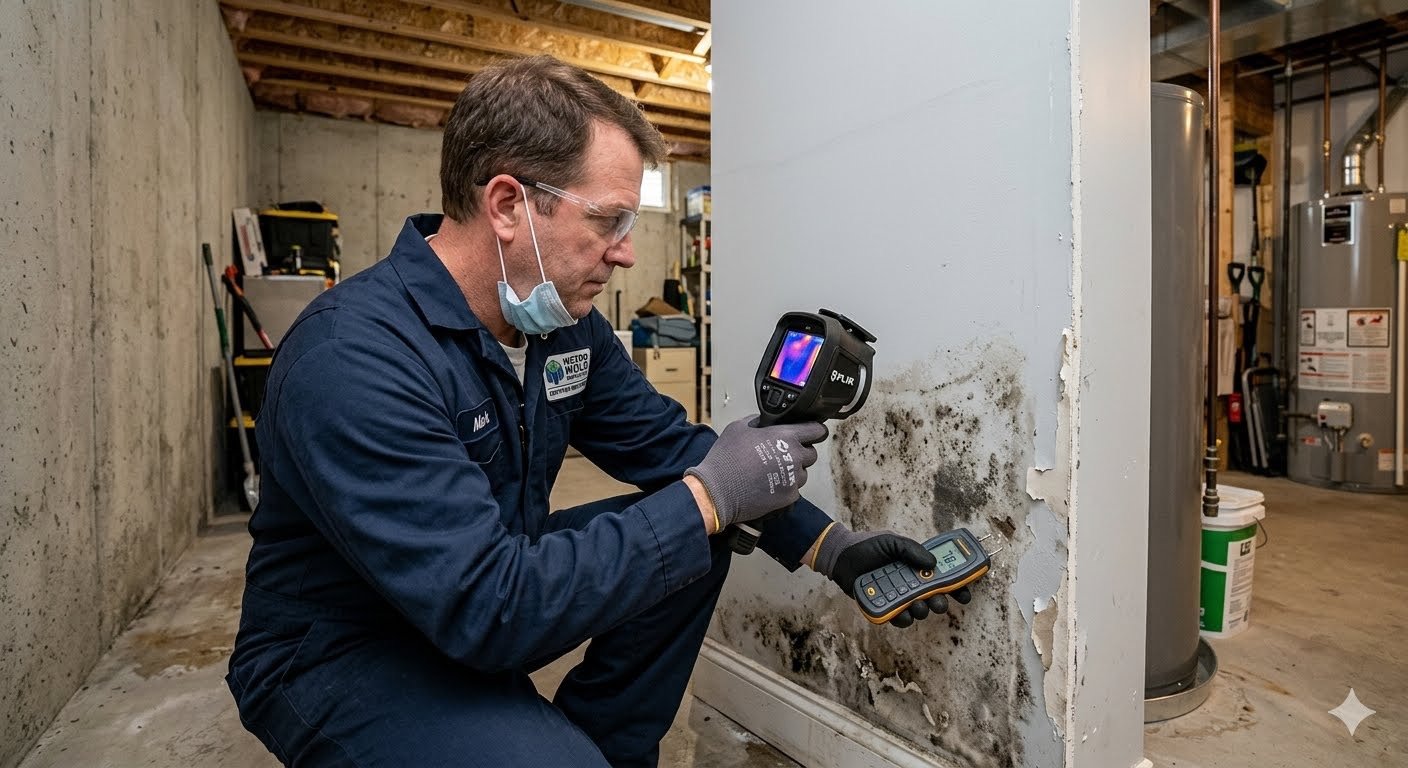
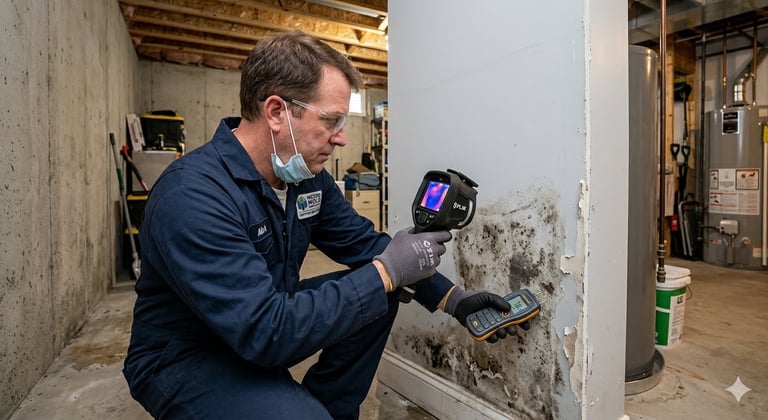
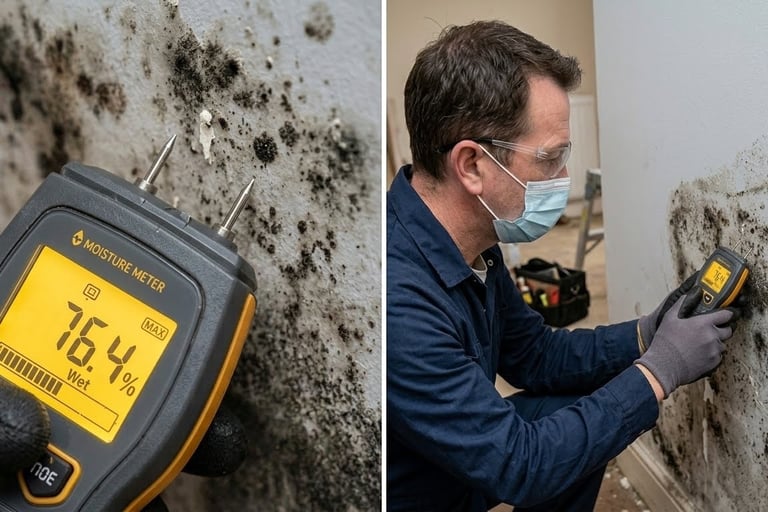
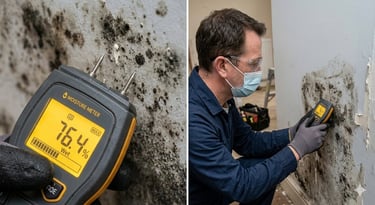
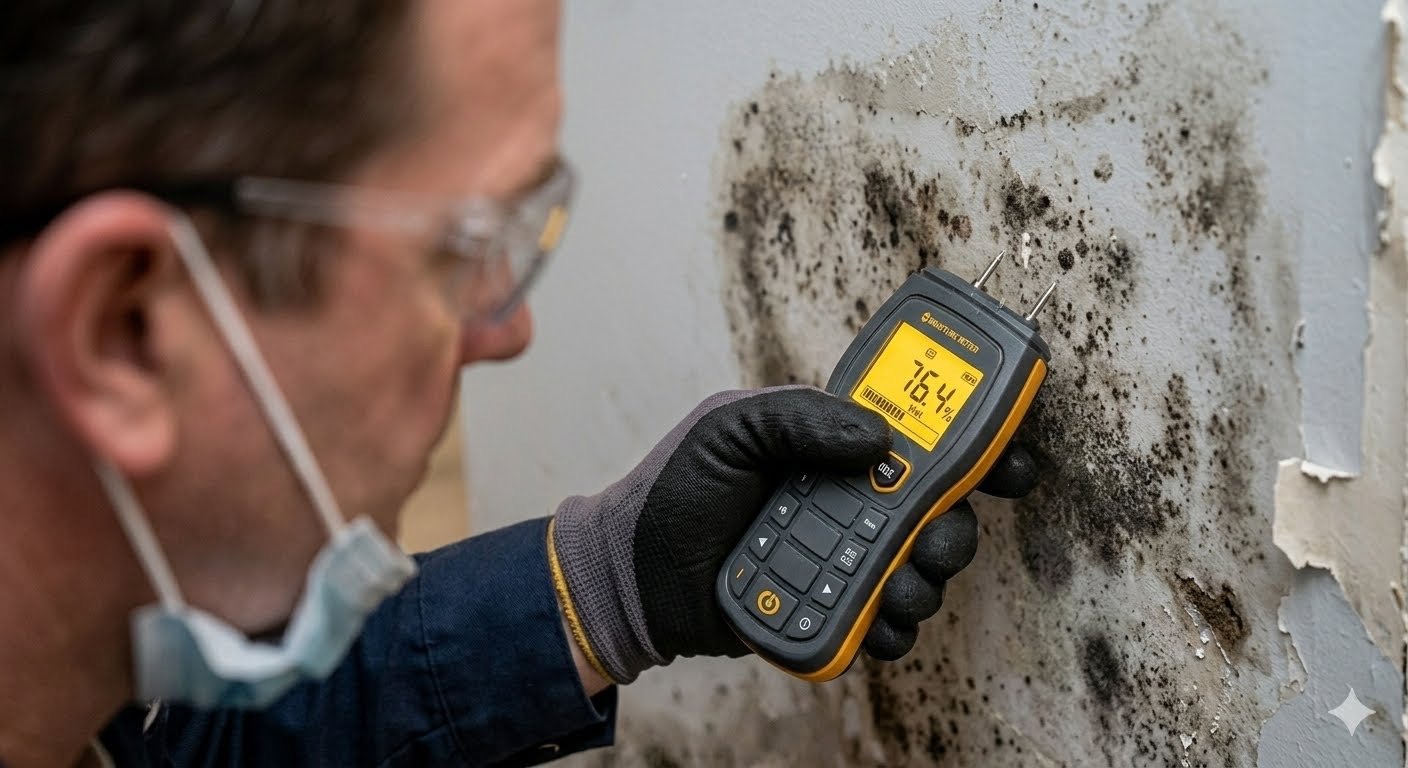
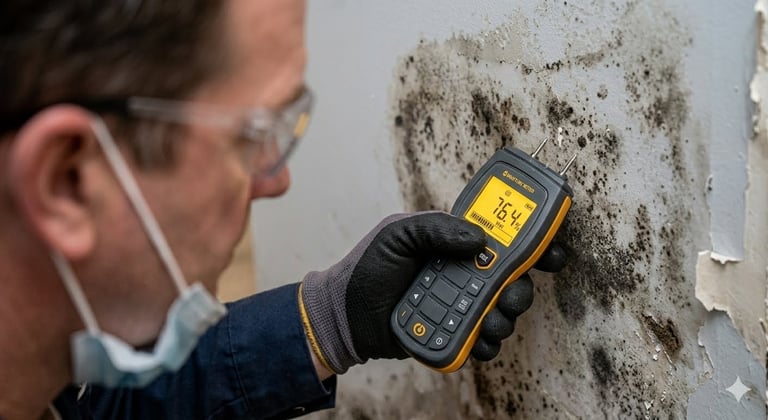
Advanced Technology Scan: Inspectors utilize thermal imaging cameras to pinpoint cold spots, moisture meters to evaluate building material saturation, and hygrometers to monitor relative indoor humidity.
Environmental Sampling: Collecting physical tape lifts or taking localized indoor air volume samples to capture suspended airborne fungal spores.
Laboratory Analysis: Samples are processed by an accredited third-party laboratory to identify the specific fungal strains and determine concentration levels.
Final Reporting: You receive an official document outlining the laboratory findings, localized moisture sources, and actionable remediation protocols.
Hiring Tip: Avoiding Conflicts of Interest
When looking for local help, be aware of how companies structure their business. To ensure completely unbiased results, consumer groups highly recommend hiring an independent environmental consultantwho specializes strictly in inspection and testing. Companies that offer both the initial diagnosis and the subsequent remediation services may face a conflict of interest, as they stand to profit from finding severe problems. If you do hire a full-service firm, verify they have independent, IAC2 (International association Certified Mold.)
To help tailor this information, please let me know:
Are you currently dealing with a visible outbreak, an unexplained musty smell, or a recent water leak?
Are you looking for a certified professional in a specific city, or are you considering a DIY home test kit?
Is this inspection for a standard home purchase, a rental dispute, or a health concern?
Contact: Daniel Leung Yu Wai
Reach me anytime for reliable home inspections by WhatsApp or text.
website: Promiseland-inspection.com
Email: PromiseLand.inspection@gmail.com
Call: +1 647 324 9638
Wechat: Promiseland2000
Whatsapp/Text : +1 647 324 9638